
Short Film & Cinematic Storytelling: Leverage Seedance 2.0's multi-shot narrative capability to produce edited sequences with natural cuts and transitions in a single generation. Upload reference videos for camera movements and character images for consistency — create concept films, music videos, and cinematic content that feels professionally produced without expensive equipment or crews.
Seedance 2.0 Text to Video Fast API
Seedance 2.0 is a multimodal video generation model for text prompts, source frames, reference images, reference videos, and reference audio. sjolt presents each fal endpoint as a separate routeable variant so teams can validate the exact request body before integration.
Average generation time is about 4-5 minutes. It fits ad assets, product clips, character videos, and multi-shot storyboard tests. The Playground keeps request payloads aligned with each selected Seedance 2.0 endpoint.
Model Type:Image to Video FastReference to Video FastText to Video FastImage to videoImage to Video MiniReference to Video MiniText to Video MiniReference to VideoText to video
Pricing
Fast
Lower-latency tier.
- 480p
- $0.06/s
- 720p
- $0.14/s
Playground Examples
Try production-style prompt starters.
Marketing & Product Advertising: Transform static product photos into high-impact video ads with native audio. Seedance 2.0's Pro mode at 1080P resolution produces campaign-ready assets for social media, landing pages, and digital advertising. Use reference videos to replicate proven ad formats, or let the AI generate fresh creative with cinematic quality and synchronized soundtrack.
Social Media & UGC Content: Create platform-optimized content with the right aspect ratio for every channel — 9:16 for TikTok and Reels, 16:9 for YouTube, 1:1 for feeds. Fast mode enables rapid iteration to test multiple creative concepts. The multi-modal input lets you combine trending audio with your images for viral-ready content that stands out.
Similar Models
Compare adjacent capabilities before switching models.
ByteDance · Video
Seedance 2.5
ByteDanceCreate videos up to 30 seconds, combine as many as 50 multimodal references, and refine specific moments with frame-level control.
OnlineTry model
Google · Video
Gemini Omni 1.1 Flash
GoogleCreate 4 to 10-second landscape or portrait videos from a prompt, with optional image and short-video guidance.
OnlineTry model
Google · Video
Gemini Omni
GoogleCreate 4 to 10-second videos from text, up to seven reference images, or one short reference video with synchronized sound.
OnlineTry model
Model overview
Key Features of Seedance 2.0 Video Generator
It jointly generates synchronized audio and video in a single pass, combining up to 9 images, 3 videos, and audio references with prompt direction. For teams evaluating AI video generation APIs, Seedance 2.0 is suited to cinematic clips, product ads, character videos, and multi-shot creative tests.
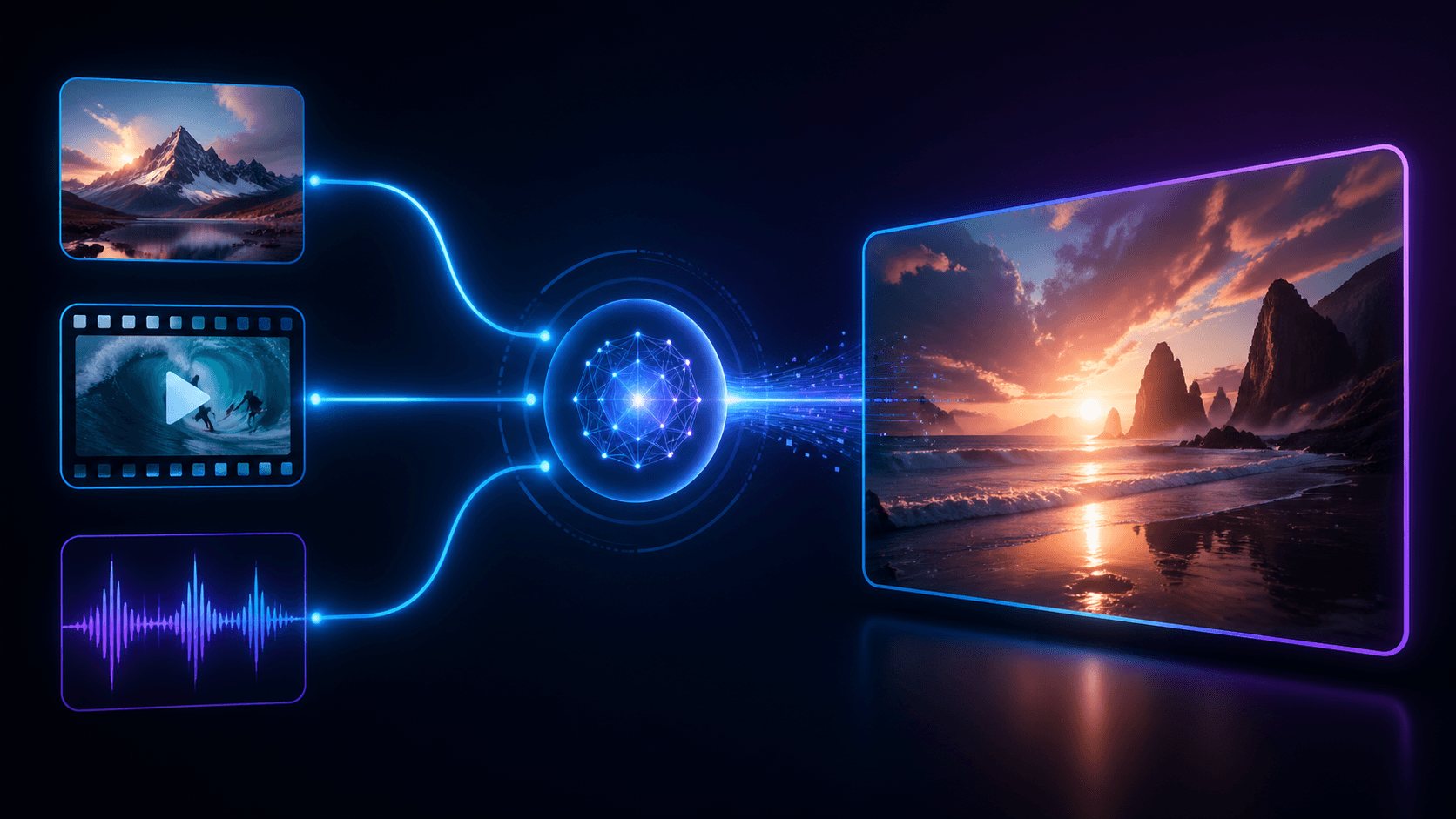
Multi-Modal Reference Input
Go beyond text-only prompts. Seedance 2.0 accepts images, videos, and audio files simultaneously as creative references. Upload a video to replicate its camera movements, an image to define character appearance, or audio to guide the soundtrack — then combine them freely. The @ mention system lets you specify exactly how each input should be used, breaking the material boundaries of conventional video generation.
- Supports Text to Video Fast and reference-asset generation workflows.
- Fits product assets, ad previews, visual direction, and social content tests.
- Adjust configured inputs, media, and switches before generation.
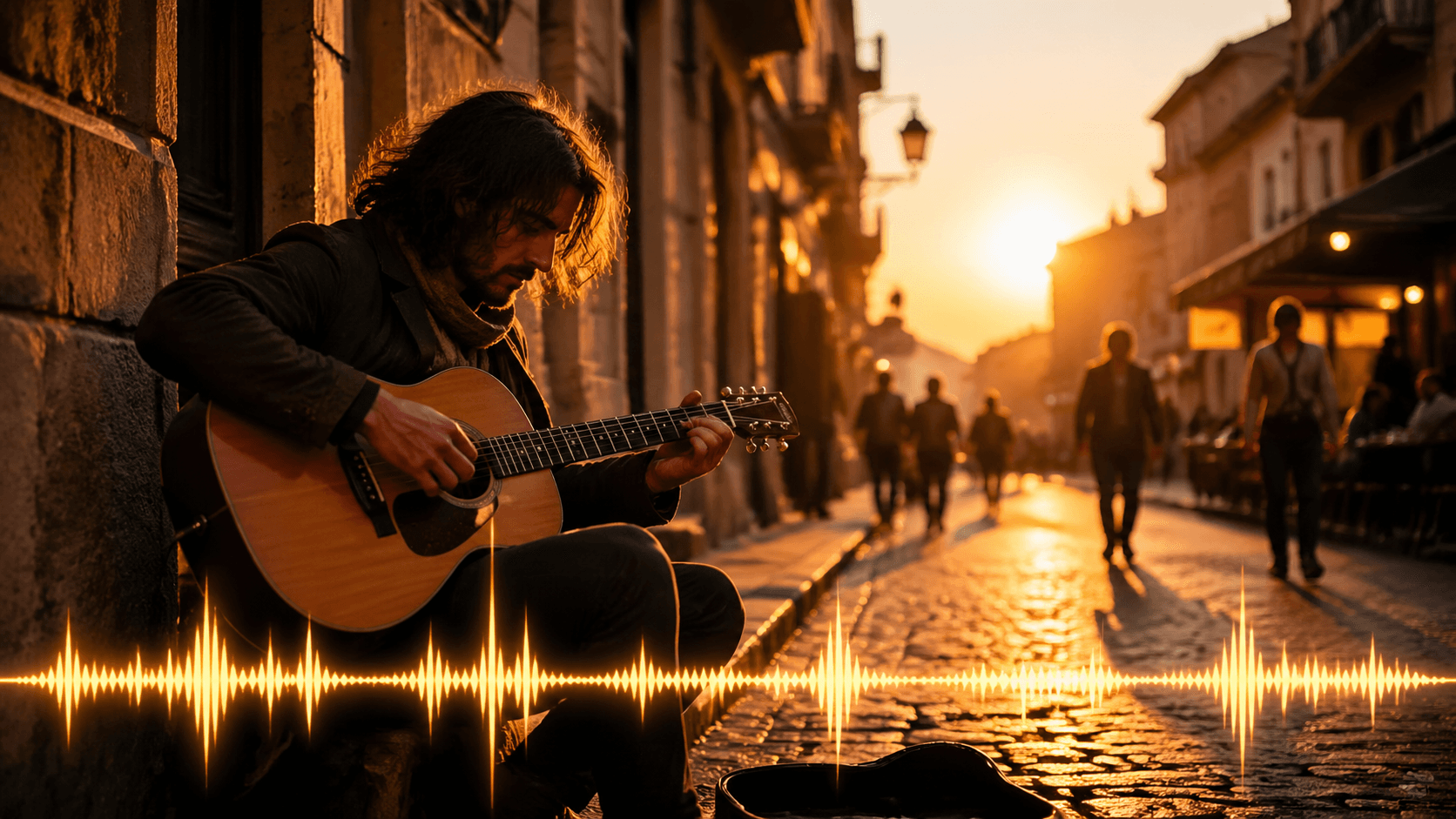
Native Audio-Video Joint Generation
Unlike other AI video tools that generate audio separately, Seedance 2.0 produces synchronized audio and video in a single pass. The result: natural dialogue with phoneme-level lip sync, contextually appropriate sound effects, and music that follows the narrative rhythm — all generated together for seamless audiovisual coherence.
Prompt-led generation
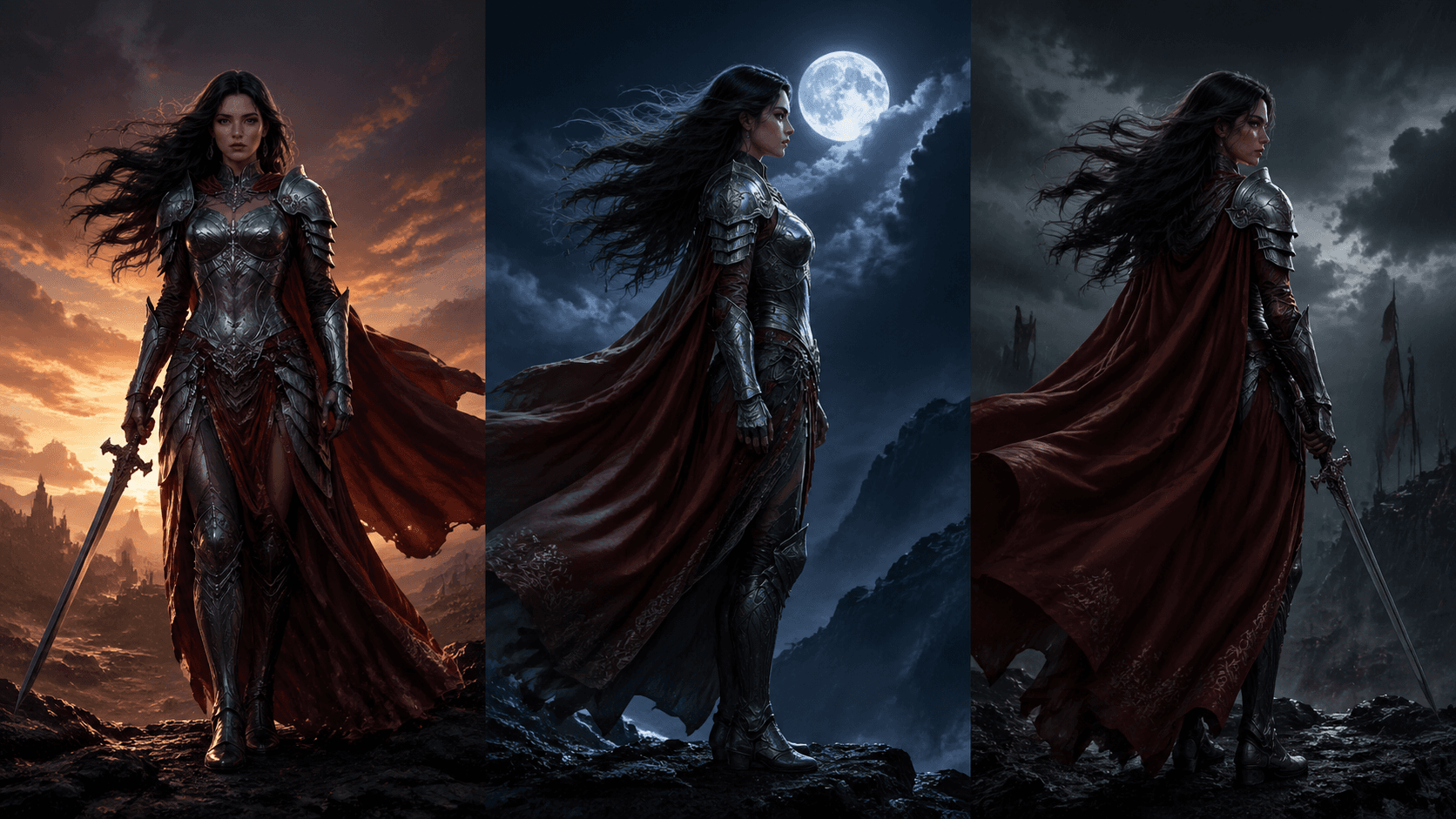
Character Consistency & Physics Simulation
Upload a single reference photo and Seedance 2.0 preserves facial features, clothing, and character style throughout the entire video — even during 360° head turns and dramatic lighting changes. The physics-based world modeling simulates realistic cloth, fluids, hair, and smoke dynamics, delivering natural motion across complex scenes.
- Compare available models from Alibaba, Black Forest Labs, Google, MiniMax, Midjourney, OpenAI, ByteDance, Kuaishou, SJolt AI, Suno, xAI in one place.
- Copy the request body directly to the server to reduce frontend/backend parameter drift.
- Failure states, retries, result preview, and review checkpoints stay in the same workflow.
Model characteristics
Designed for multimodal video production with controllable references.
Multimodal references
Combine prompts with images, videos, and audio references to guide subject appearance, motion rhythm, camera language, and soundtrack direction.
Audio-video generation
Generate synchronized motion and audio together, including dialogue timing, sound effects, ambience, and music that follows the scene.
Consistent characters
Preserve character identity, clothing, and style across motion while simulating cloth, fluids, hair, smoke, and other physical dynamics.
Flexible delivery
Choose standard, fast, or mini tiers with 4-15 second durations, social or cinematic aspect ratios, and resolution options up to 4K.
FAQ
These are the first questions to answer when evaluating this model.
What is Seedance 2.0?
Seedance 2.0 is ByteDance's multimodal AI video generation model. It jointly generates synchronized audio and video in a single pass and supports text prompts, images, videos, and audio references for cinematic clips with realistic physics, character consistency, and multi-shot narratives.
What input types does Seedance 2.0 support?
Seedance 2.0 supports multimodal input in sjolt: text prompts, up to 9 reference images, up to 3 reference video clips, and up to 3 audio references. Use references to guide subject appearance, composition, camera movement, motion rhythm, soundtrack, or mood.
What aspect ratios, durations, and resolutions are available?
Seedance 2.0 supports auto plus 21:9, 16:9, 4:3, 1:1, 3:4, and 9:16 aspect ratios. Duration can be fixed from 4 to 15 seconds. Standard supports 480p, 720p, 1080p, and 4K; fast and mini support 480p and 720p.
What is the difference between standard, fast, and mini tiers?
Standard is the highest-quality tier for final renders and client-facing work. Fast is optimized for lower-latency creative iteration. Mini is optimized for lightweight drafts and early experimentation before scaling the strongest direction.
How does the multimodal reference system work?
Upload reference media and mention how it should influence the result in your prompt. For example, use a video for camera movement, an image for character appearance, and audio for pacing or soundtrack direction in the same generation.
Does Seedance 2.0 generate audio with the video?
Yes. Seedance 2.0 supports native audio-video joint generation, so dialogue, sound effects, ambience, or music can be generated together with the video for more coherent timing and audiovisual rhythm.
How long does generation take?
Typical generation time is about 4-5 minutes, with final latency depending on selected tier, resolution, duration, reference assets, prompt complexity, and queue load.